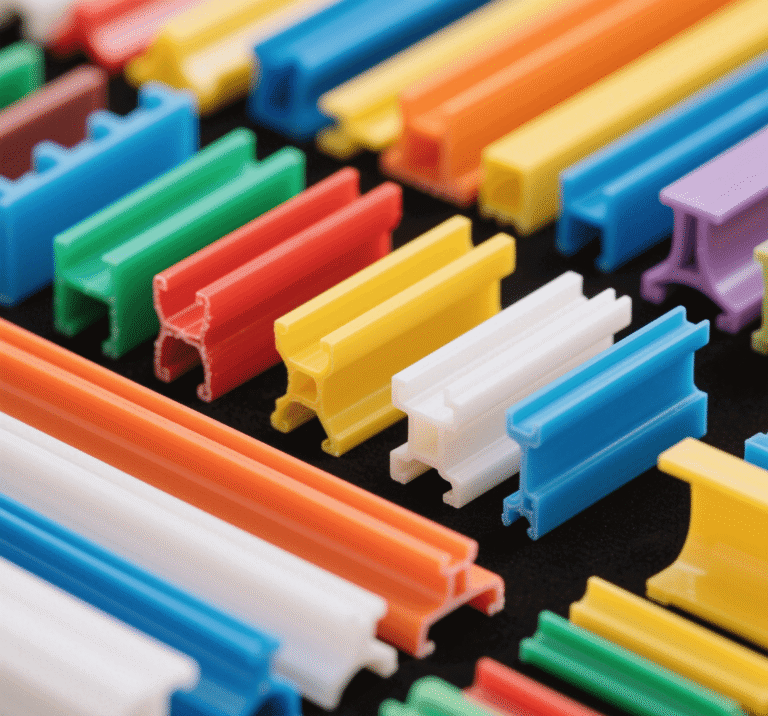
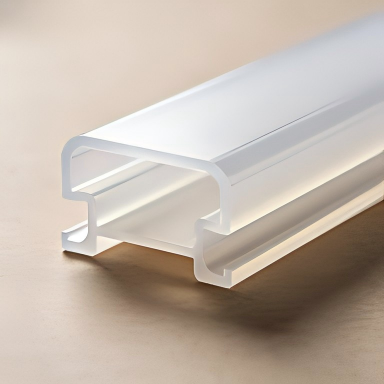
What Is Co-Extrusion? Benefits of Copper-Plastic, Soft-Hard, and Dual-Color Extrusion
Co-extrusion is an advanced manufacturing process in which two or more materials are combined into one extruded product. Compared with standard extrusion, co-extrusion makes it possible to integrate multiple functions into a single profile, helping reduce part count, simplify assembly, and improve product performance.
For customers developing custom profiles, co-extrusion is often a practical way to achieve both structural and functional goals in one solution.
Why Co-Extrusion Is Valuable
Many products need more than a simple plastic shape. They may require conductivity and insulation, rigidity and flexibility, or visual identification and decorative appearance at the same time. If these functions are handled with separate parts, the result can be more assembly work, higher cost, and greater risk of inconsistency.
Co-extrusion helps solve this by combining materials directly during the extrusion process.
Copper-Plastic Co-Extrusion
Copper-plastic co-extrusion integrates conductive copper and insulating plastic into one profile. This is especially useful in products that require electrical function and structural support together.
Typical advantages include:
- Conductive and insulating functions in one part
- Fewer separate components
- Improved assembly efficiency
- Better integration for electrical systems
It is commonly used in lighting track systems, electrical connection parts, and functional profiles requiring both conductivity and protection.
Soft-Hard Co-Extrusion
Soft-hard co-extrusion combines rigid material and flexible material in one product. This makes it possible to create profiles that offer both structural stability and soft contact performance.
Typical benefits include:
- Sealing and support in one profile
- Better cushioning or edge protection
- Reduced adhesive bonding or secondary assembly
- Improved installation convenience
This process is often used in sealing strips, edge protection profiles, appliance parts, and industrial components that need rigid-flexible integration.
Dual-Color Co-Extrusion
Dual-color co-extrusion creates two-color profiles in one continuous process. In addition to appearance improvement, this can also help distinguish installation direction, functional areas, or warning zones.
Main advantages include:
- Clear color separation
- Improved visual identification
- Reduced need for painting or extra finishing
- Better batch consistency in appearance
This process is widely used in decorative trims, appliance exterior parts, lighting accessories, and industrial identification profiles.
More Than Appearance or Structure
Co-extrusion is not only about making products look better. It is also a practical engineering approach to reduce total part count and improve manufacturability. In many cases, the biggest value of co-extrusion is functional integration.
For example, a profile that once required multiple parts and manual assembly may be redesigned into one co-extruded solution. This can reduce production complexity and improve product consistency.
Early Design Evaluation Is Important
Not every structure is equally suitable for co-extrusion. Material compatibility, profile geometry, bonding stability, and final use conditions all need to be considered. That is why design evaluation and process feasibility analysis are important before tooling begins.
Conclusion
Co-extrusion is a valuable solution for customers who need more from an extrusion profile than basic shape alone. Whether the goal is conductivity and insulation, rigid-flexible integration, or dual-color appearance, co-extrusion can help improve both product function and manufacturing efficiency.
For custom extrusion projects, evaluating the right co-extrusion method early can lead to better design, lower assembly cost, and more stable mass production.